- Beyond the Story by Epaphra
- Posts
- Bumble should have not done this
Bumble should have not done this

Epaphra T
March 20, 2026
In partnership with


Hey Beyonder!
You probably remember that Bumble billboard in LA last year.
The one that said: "You know full well a vow of celibacy is not the answer."
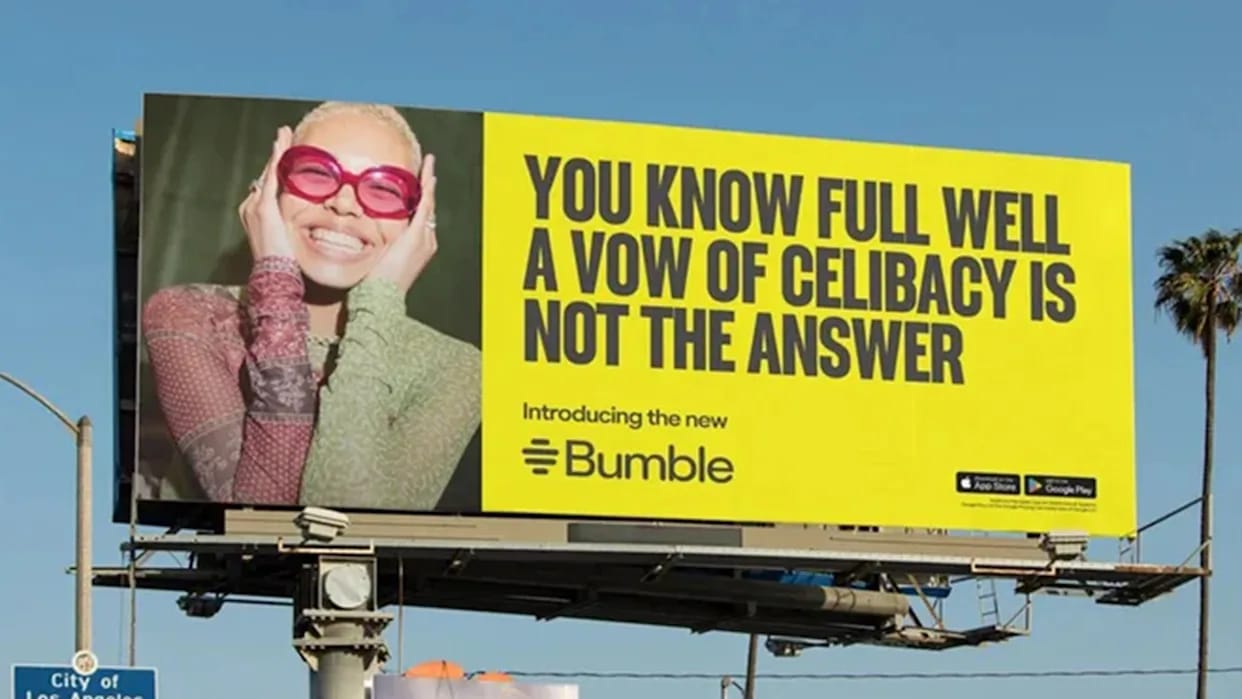
A lot of people called it a social media pile-on and moved on.
But I kept sitting with it because something about it felt familiar.
Like a mistake I've seen made quietly, in smaller ways, all the time.
Here's what I think was really going on.
It Wasn't About Celibacy
At the time, women were loudly, publicly exhausted with dating apps.
Not venting-to-a-friend exhausted. Writing-about-it-online exhausted.
The ghosting. The harassment. The feeling of being evaluated like something on a shelf.
Some were choosing celibacy. Some just needed a break. Some were done and wanted to say so without being talked out of it.
That was the conversation happening when Bumble decided to weigh in.
And what they said, essentially, was: you're wrong about what you need.
The Thing That Actually Went Wrong
Bumble needed a villain for their story. Something to push against.
They chose celibacy.
But that wasn't what people were actually complaining about. The real frustration was burnout. Feeling unsafe. Feeling like dating had become a second job with no benefits.
When you make your audience's coping mechanism the enemy, you make them the enemy.
And people don't stick around to hear the rest of your message after that.
What Could've Worked Instead
This isn't about playing it safe or watering things down.
It's about knowing who's in the room before you start talking.
A different version of that campaign could've said something like:
We know the last few years have been a lot. We're not going to pretend otherwise. Come back when you're ready — we'll be here.
No lecture or correction. Just a brand that actually listened.
That's the version people share. That's the version that brings people back.
Try This
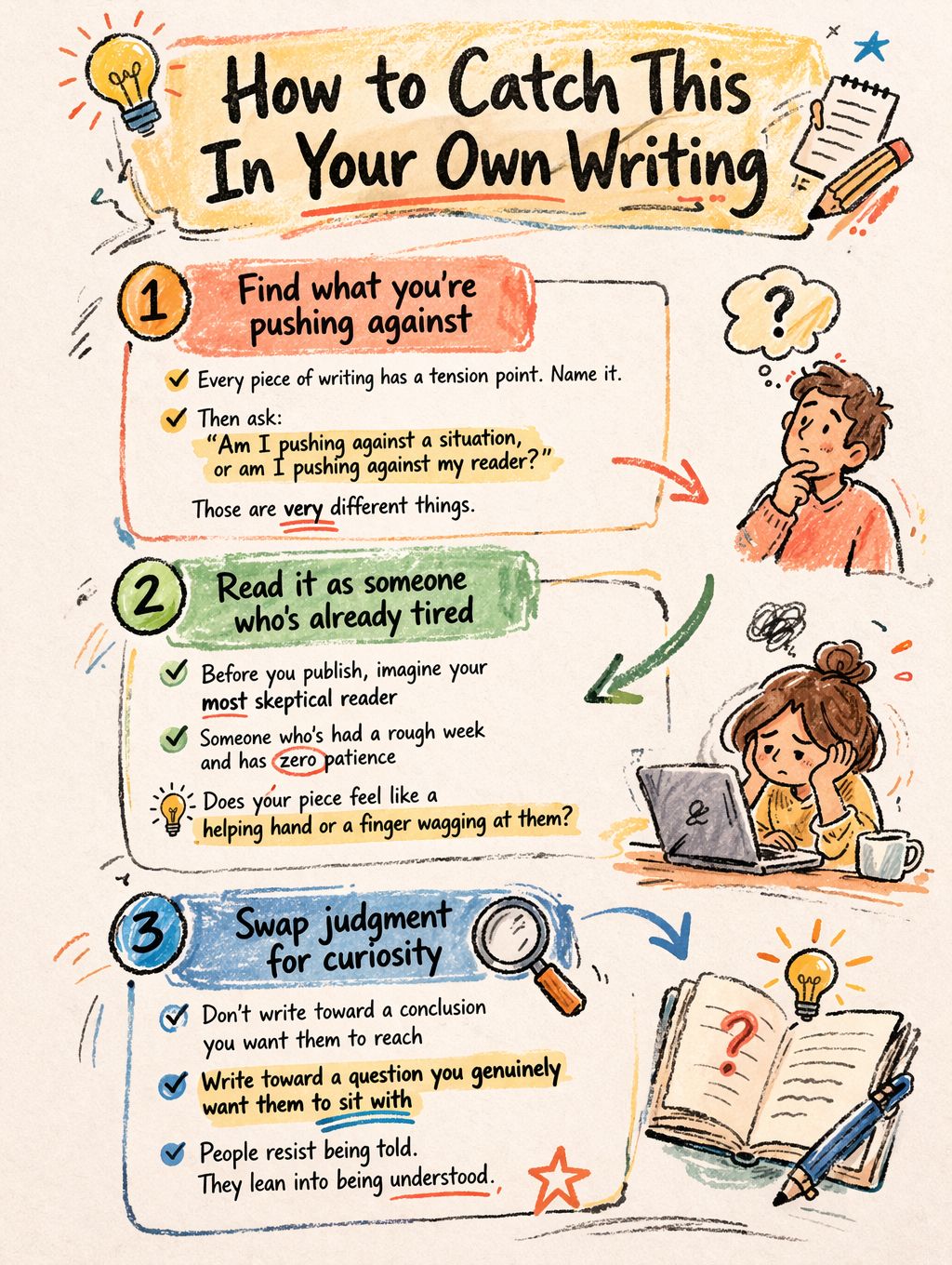
Look at something you wrote recently: a post, an email, anything.
Ask yourself: if my reader was already frustrated, would this make it better or worse?
If worse, find the line where you stopped listening and started correcting. Rewrite from there.
Final Thought
Bumble spotted something real. People were leaving and that was worth talking about.
But there's a difference between naming a problem and blaming your audience for how they're dealing with it.
Your reader is never the villain in your story. The moment they feel like they are, you've lost them and getting them back is a lot harder than just getting the tone right the first time.
Keep telling stories,
Epaphra
Get what you want from TV advertising

What you want from TV advertising: Full-screen, non-skippable ads on premium platforms.
What you get: "Your ad is on TV. Trust us."
Modern, performance-driven CTV gets your TV ads where you want with transparent placement, precision audience targeting, and measurable performance just like other digital channels.
TV doesn't have to be a black box anymore.